

Breaking into the U.S. publishing world may seem intimidating, but there’s room for amazing new voices every day. A strong proposal can be your ticket into that world and help you stand out from thousands of other writers. That’s why learning how to write a book proposal for a publisher is one of the smartest steps you can take toward landing your first book deal. If you’re wondering how to write a book proposal to a publisher, this guide will walk you through everything you need to know. By the end, you’ll know how to present your idea like a professional and give editors a reason to say “yes.”
What is the Format for a Book Proposal & Its Importance
What is the format for a book proposal? In simple terms, it’s a document that shows publishers what your book is about, who will read it, and why it matters. A book proposal helps publishers understand your book idea before it’s fully written. It highlights what makes your book worth producing and why readers will care. It’s your first chance to show your book is worth investing in.
The Purpose of a Book Proposal
A book proposal is essentially your formal sales pitch to a publisher. Writing a book proposal correctly shows why your book is needed, who will read it, and why you’re the right person to write it. It also outlines your qualifications as an author, demonstrates the book’s market potential, and highlights why it stands out from other titles. Publishers use it to decide if your idea is worth investing in.
What Publishers Look for in a Proposal
Publishers in the U.S. consider three major factors:
- Is the idea marketable and fresh?
- Is the writing polished and professional?
- Is the audience clearly defined and large enough to profit from?
This is especially relevant when learning how to write a nonfiction proposal, as editors want to see clear problem-solving, research, and reader benefits. Whether you’re pursuing traditional U.S. publishing or planning to self-publish on platforms like Amazon KDP, publishers want clarity, direction, and market demand, not a vague dream with no strategy.
Step-by-Step Guide on How to Write a Book Proposal to a Publisher
Once you understand the purpose of a proposal, it’s time to move to the practical steps. Here’s exactly how to write a proposal for book publishing that impresses editors and increases your chances of acceptance. This guide will show you how to organize and present your ideas professionally.
Step 1 – Start with a Strong Overview
Every winning proposal opens with a one-paragraph summary that explains the heart of your book. Help publishers immediately understand what your concept offers emotionally and commercially. To build confidence in your project, show how your idea could expand, like turning it into a series or adapting content from how to turn a blog into a book if you already have an online audience. Including a strong summary also ties into how to write book chapter proposal strategies, because it highlights the chapters that matter most to readers and publishers.
Step 2 – Craft an Engaging Author Bio
Your bio needs to show why you are the perfect person to write this book. Highlight qualifications, life experiences, or past achievements that connect directly to your topic. If writing isn’t your specialty or you need help polishing your story, you can always explore what does a ghostwriter actually do and consider collaborating with a professional.
For nonfiction proposals, focus on credibility and lived expertise. For fiction, emphasize your storytelling voice, themes, and writing recognitions. You can even think of your bio as a mini version of how to write a proposal letter to a publisher, because it gives editors a sense of your professionalism and relevance.
Step 3 – Define Your Target Audience
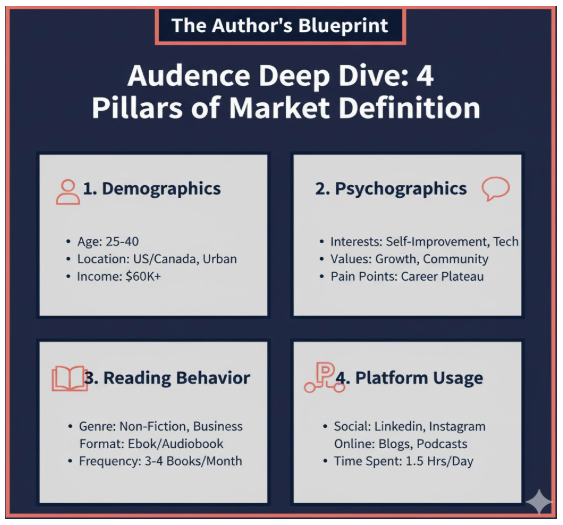
Publishers want exact clarity about who will buy your book and why. Go beyond broad labels like “women” or “teens.” Instead, provide specifics about age, interests, reading behavior, and where that audience spends time online.
If you’re writing for younger readers, exploring how to write a children’s book can help you refine your positioning and better explain your audience’s reading needs. This section proves to publishers that you understand your readers, which is critical in any book proposal.
Step 4 – Write a Persuasive Book Synopsis
Your synopsis explains the full journey of the story or message. Keep it clear, polished, and emotionally engaging.
For Nonfiction:
- Focus on the reader’s problem and your solution
- Show how each chapter builds toward transformation
- This is also a good place to reinforce points from Writing a Book Proposal, showing the structured flow of your content
For Fiction:
- Highlight plot structure and major turning points
- Emphasize character motivations and emotional stakes
Adding examples from how to turn a blog into a book can help show publishers how your content has existing reach or proven interest, strengthening your proposal even further.
Step 5 – Create a Competitive Market Analysis
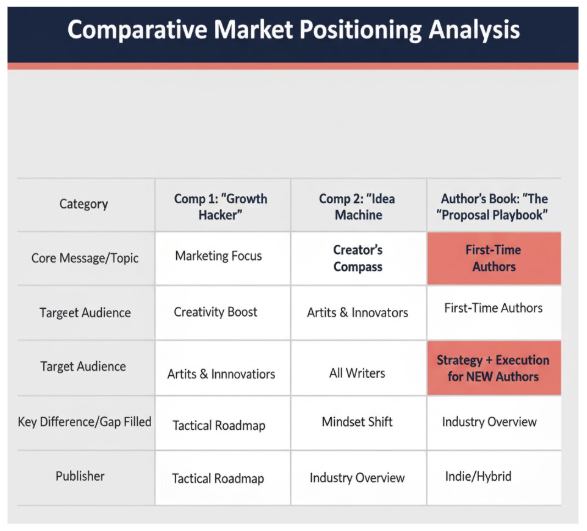
This section shows publishers that your idea fits into a thriving space while offering something new. Compare your book to 3–5 successful U.S. titles from recognized publishers. Briefly mention how your book is different, without claiming it’s “better.”
Also consider future opportunities, such as print distribution and digital formats like eBooks. Exploring how long does it take to create an eBook can help you outline realistic development timelines. Including this level of detail also supports how to write a publishing proposal, because it demonstrates knowledge of market demand and strategic positioning.
Step 6 – Build a Strong Marketing and Promotion Plan
Your marketing plan should reassure publishers that you’re ready to support your book’s success. Share where you already connect with readers online and how you’ll promote new releases. Key elements include:
- Social media presence
- Press outreach
- Podcast or guest article appearances
- Speaking events or webinars
- Beta reader community
If you want help strengthening your visibility or platform, consider how to outsource eBook writing or ebook ghostwriting services. These services can expand your reach and demonstrate to publishers that you’re serious about sales.
Step 7 – Include Sample Chapters
End your proposal with polished sample chapters that display your exact writing quality. Most authors include the introduction and at least one strong follow-up chapter. Keep the writing immersive, clean, and consistent with the book’s tone. This step also ties into how to write book chapter proposal, because it shows editors how your chapters flow and engage readers.
How to Write a Nonfiction Proposal while Avoiding Common Mistakes
Even strong ideas can get rejected if the proposal isn’t handled correctly. Knowing what is the format for a book proposal along with what to avoid helps you polish your submission and stay ahead of common errors first-time authors make.
Focusing on Story, Not Market
Beautiful writing may still get rejected if there’s no clear market. Publishers need evidence that your audience exists and actually buys books like yours.
Ignoring Formatting and Guidelines
Every U.S. publisher, from small presses to giants like HarperCollins, has specific formatting rules. A proposal that doesn’t follow their instructions will be dismissed immediately, even before the content is reviewed.
Overhyping or Underselling Your Book
Confidence matters, but exaggeration turns editors away. Instead of saying your book will “change the world,” show its strengths with research and realistic positioning.
How to Write a Proposal for Book Publishing with Correct Length Guidance
Publishers expect a certain level of detail, not too long, not too short. Here’s how to strike the perfect balance depending on whether you write fiction or nonfiction.
The Ideal Word Count
Most proposals fall between 10–30 pages, depending on topic complexity. Nonfiction proposals are usually longer to show research depth, while fiction proposals focus on a synopsis and sample chapters.
Customizing Length for Fiction vs. Nonfiction
For Nonfiction:
- Include market research
- Offer chapter-by-chapter structure
- Add audience data and platform metrics
For Fiction:
- Highlight character development and emotional arcs
- Keep the structure simple and highlight writing style
- Use sample chapters to show narrative strength
Professional tools like book formatting services ensure your pages look clean and meet publisher expectations.
Key Tips on How to Write a Proposal Letter to a Publisher
Once your proposal is ready, the next step is getting it into the right hands. Here’s exactly how to write a book proposal to a publisher that gets noticed.
Finding the Right Publisher
Research publishers who specialize in your category, especially those known for supporting emerging authors. U.S. options include large publishing houses, independent presses, and hybrid publishers. Digital-first strategies can leverage Amazon book publishing services to reach a global audience.
Writing a Query Letter That Gets Read
Your query letter is the first impression you make. Keep it short, confident, and professional. Include:
- One-sentence hook summarizing your idea
- Target audience and why they’ll care
- Quick author bio proving credibility
- Clear call-to-action asking the editor or agent to review your proposal
Professional support is available through book writing services, which can help craft a compelling, polished pitch.
Submitting Through an Agent vs. Direct Submission
Agents can open doors to major publishers who do not accept unsolicited submissions, while direct submission works well for small presses or hybrid publishers. Either way, follow submission guidelines carefully to avoid automatic rejection.
How to Write a Publishing Proposal That Stands Out in 2026
Publishing trends evolve every year. This section explains exactly how a publishing proposal can be written that matches current market expectations.

Current Publishing Trends in the U.S.
There is a growing demand for:
- Personal development and self-help
- Memoirs and true stories
- Business and money management books
Hybrid publishing models and digital-first launches are also rising. Knowing these trends helps position your book where today’s readers are.
Leveraging Technology and AI Tools
Technology can help you make your book proposal better. It can check spelling and grammar, find the right keywords, and show you what your audience likes. But the most important part will always be your own writing voice because your ideas and your style are what make a publisher interested in your book. Use technology for support, but let your creativity lead the way.
Using Data to Strengthen Your Proposal
Publishers love numbers. Include estimated audience size, comparable book sales, and online search interest. Data-backed proposals reduce financial risk and increase credibility.
How to Write Book Chapter Proposal and Follow up with Publishers
Waiting for a response can be stressful, but following up after you learn how to write a nonfiction proposal properly can keep your proposal top-of-mind.
When and How to Reach Out
Most publishers reply in 4–8 weeks. If that time passes, send a polite follow-up email acknowledging their workload and asking for a status update.
What to Do if You Get Rejected
Rejection is not the end because it gives you a chance to improve. Your next step can be to ask for feedback and recheck your synopsis, so you can make your story and message clearer. You can also work on building your author presence. A book proofreading service can help your proposal look clearer and professional before you send it again
What Happens If a Publisher Accepts Your Proposal
Exciting things begin here:
- You’ll receive a contract with terms, royalties, and an advance
- An editorial team will help shape your book
- You’ll prepare for the publishing timeline and launch
This marks the official start of your author career.
Bonus Tips for First-Time Authors
Extra guidance can make a big difference when you’re learning what is the format for a book proposal.
Get Professional Editing Before Submission
Clean, polished writing shows publishers your professionalism. Many first-timers partner with editors, particularly for nonfiction projects, to refine grammar, pacing, and tone.
Build Your Author Brand Early
Readers need ways to find you. Maintain a website, stay active on social media, and grow your email list. For ongoing support, book marketing services can boost visibility pre- and post-release.
Network with Industry Professionals
Connections lead to opportunities. Attend workshops, pitch events, conferences, or join online author groups. If publishing children’s books, children’s book printing services help provide durable copies for schools or events.
Final Thoughts on Writing a Book Proposal
Your proposal is more than paperwork; it’s a strategic expression of your vision. Publishers want authors who think professionally, understand their audience, and show marketing readiness. If you embrace research, polish your writing, and pitch confidently, your chances of success increase dramatically. Keep refining every section, submit with care, and remember that many bestselling authors started exactly where you are today, learning how to write a book proposal for a publisher and opening doors they never imagined.
