

A ghostwriting portfolio is the silent voice that proves your ability before clients ever meet you. In the U.S. freelance and publishing markets, remote hiring is common, and proof often outweighs recommendation. Self-publishing growth, niche nonfiction, and business content demand make evidence essential. Beginners who craft samples demonstrating voice control, pacing, and narrative understanding gain a strong advantage. This guide walks through writing, organizing, and presenting work that resonates with clients. One of the first steps is knowing how to build a ghostwriting portfolio effectively.
Why The U.S. Ghostwriting Market Rewards A Strong Portfolio
A strong portfolio is more than a showcase; it is your silent contract with potential clients. Understanding how to write a book proposal for a publisher shows practical experience and market awareness, positioning you for higher-paying opportunities in the U.S.
How To Build A Ghostwriter Portfolio For Beginners Amid U.S. Publishing Trends
The U.S. favours ghostwriters who can jump between genres. Self-publishing, business books, and memoirs are most popular. Companies want punchy B2B blogs and real thought-leadership that gets results. Right now, everyone is hunting for writers who deliver pro-level work every single time, and that’s why learning how to create a ghostwriting portfolio with examples helps attract top U.S. clients.
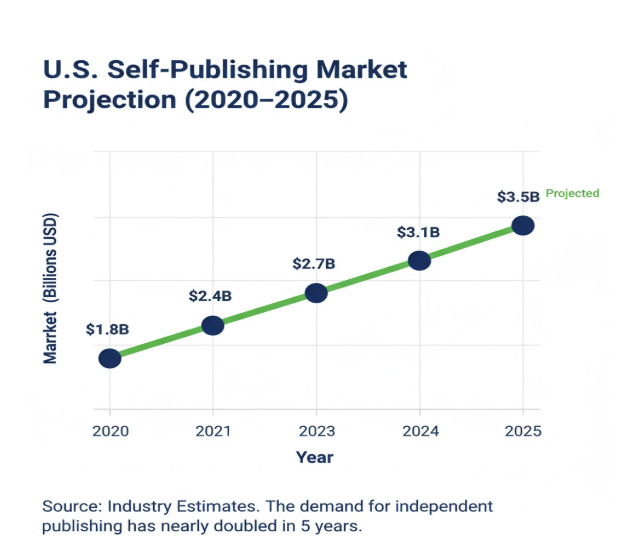
Clients now choose freelancers who prove measurable impact and top quality. New ghostwriters can write full sample chapters that solve the exact problems your dream clients face every day. These samples instantly show you’re ready to deliver.
Founder memoirs and startup stories win top contracts. A strong ghostwriting portfolio grows with real samples, like memoir writing services pieces, proving skill with personal founder stories that paying clients look for.
For freelancers aiming to specialize, the question how to craft a ghostwriter portfolio applies when showing versatility. A portfolio that spans business books, blogs, and niche content signals capability across client needs.
Finally, a portfolio need not be public. Thoughtfully organized samples answer how to build a ghostwriter portfolio for beginners while illustrating awareness of client priorities. Clients notice when work aligns with trends and their target audience.
How to Make a Portfolio for Ghostwriting that Attracts Clients
Clients often request proof before hiring, even if your work is anonymous. Your portfolio acts as the first impression, demonstrating voice control, project management, and narrative skill.
When a client searches how to build a ghostwriting portfolio free, they expect samples that simulate real-world projects. Including a thought leadership blog or memoir excerpt communicates professionalism without revealing identity.
A portfolio builds trust through quality work alone. Featuring ebook ghostwriting services demonstrates comfort with digital manuscripts, pacing, and full book storytelling that paying clients actively look for.
Outcome metrics such as downloads or engagement help solidify credibility. This also naturally addresses how ghostwriters build a credible portfolio multiple times, reinforcing your capability with measurable evidence.
How To Structure A Ghostwriting Portfolio That Shows Real Results
A strong portfolio works when it highlights the right samples, not just every piece ever done. Understanding what does a ghostwriter actually do helps pick work that truly shows skill, professionalism, and builds trust with potential clients.
Selecting the Right Sample Projects
Choose 3–5 pieces demonstrating range—memoir chapters, business excerpts, or blog series. Include one simulated book project to show readiness for longer work.
A ghostwriting portfolio works when each sample shows how stories flow, solve problems, and fit readers. Biography writing services highlight skill in different types of writing without revealing private client details.
By showcasing a mix of work, you answer how to build a ghostwriting portfolio repeatedly, proving both adaptability and specialization.
Structuring Your Portfolio for Impact
Structure demonstrates thinking. Clients quickly scan your portfolio for hierarchy, flow, and organization. Include titles, context, your role, and measurable outcomes.
How to structure a ghostwriting portfolio highlights layout principles, showing how organizing work by content type—memoir, business, or blog series—improves readability.
Showing work on platforms like Behance or a personal site makes a portfolio look professional and organized. Ghost writing for rappers proves niche skills, helping beginners attract clients willing to pay more.
Learning how do ghostwriters build a credible portfolio helps beginners show their skills, impress clients, and confidently step into high-paying ghostwriting opportunities.
Adding Social Proof and Client Testimonials
Even for hidden work, social proof builds trust. Anonymous testimonials or “name withheld” case studies convey reliability, and how to make a ghostwriter portfolio shows how to verify results without compromising privacy.
Showing clear results, like generating leads or boosting engagement, instantly proves your skill and makes clients trust you’ll always deliver.
Beginner Steps For Success In How To Build A Ghostwriting Portfolio
Learning how to build a ghostwriting portfolio with no paid jobs yet feels tough. Don’t worry. Here’s the easy plan: write a few free samples, take volunteer gigs, and put everything online so clients can find you.
Step 1: Create Spec Pieces That Showcase Your Ability
Spec pieces demonstrate initiative. Writing 1,000-word chapters, blog posts, or case study simulations shows you can handle client work independently and adapt to different types of ghostwriting services.
Bringing novel writing into the conversation also proves you can manage long-form fiction. Beginners often ask, “How do I build a ghostwriter portfolio?”—and spec pieces are the answer. They communicate skill, range, and professionalism without needing client bylines.
These pieces allow you to practice voice, pacing, and audience engagement while demonstrating your readiness for real-world ghostwriting projects.
Step 2: Volunteer or Low-Cost Projects for Real Samples
Volunteering for nonprofits, startups, or local entrepreneurs produces tangible work for your portfolio. Even without full payment, clients see evidence of your ability to deliver results.
Awareness of memoir ghostwriter cost helps beginners understand client budgets. Real, authentic portfolio samples highlight skill and make it easier to attract serious, high-paying clients.
Clearly define agreements regarding rights and how the work will appear in your portfolio to maintain professionalism.
Step 3: Design a Professional Online Presence
A digital footprint is often the first check clients perform. A personal website and LinkedIn profile optimized for ghostwriting increase credibility and visibility.
Understanding what is the cost of story writing helps align client expectations with quality output. Posting examples online gives proof of skill, showcases style, and helps new clients feel confident hiring.
Use clear layout, strong headings, and real examples in your portfolio. This makes it easy to explore and quickly shows clients you are professional and reliable.
Pricing And Positioning Tips For How To Craft A Ghostwriter Portfolio
Knowing how to craft a ghostwriter portfolio and price your services is the key to winning high-paying clients in U.S. ghostwriting. This section dives into package creation, positioning strategies, and lead generation techniques to ensure your portfolio converts interest into contracts.

Define Your Ghostwriting Service Packages
Offering tiered packages helps clients pick what fits them best. A starter option covers blog posts and short articles. The advanced level includes eBooks or memoir chapters. The premium package delivers full business books or multi-part series. Clear choices make everything simple and show exactly what they’ll receive.
Including book writing services in your packages shows you cover everything from short marketing pieces to full manuscripts. Clients love clear tiers because they immediately see exactly what each option includes and what they will receive.
Including sample work in each package directly answers “How to make a portfolio for ghostwriting?” It proves you can deliver, builds instant trust, and makes your pricing feel fair. Clients see exactly what they’ll get, so they’re ready to book high-value projects right away.
How Do Ghostwriters Build A Credible Portfolio To Gain Expert Status
Show your expertise, reliability, and results, and use how to build a ghostwriting portfolio to guide which examples to highlight—like thought-leadership books or founder memoirs in business.
A strong portfolio, especially as a business book ghostwriter, proves you can handle complex, high-profile projects. Highlighting real results demonstrates deep expertise and instantly builds client trust.
Write a concise “Why I’m a Ghostwriter Who Gets Results” section on your website or LinkedIn profile. Including measurable outcomes like downloads, readership engagement, or revenue impact reinforces credibility. Clients notice when writers present both skill and proof, which can justify higher fees.
Lead Generation Strategies for U.S. High-Paying Clients
Finding premium clients requires proactive outreach and visibility. LinkedIn connection campaigns, guest posting on relevant platforms, and carefully designed email sequences can introduce your work to decision-makers.
Beginners who explore how to get a ghostwriter for music can better tailor portfolios to niche projects, showing potential clients expertise in music, entertainment, or personal branding.
Use samples from your portfolio to support pitches. Showing examples of blog posts, eBooks, or memoir chapters proves capability, and understanding how ghostwriters build a credible portfolio helps ensure outreach includes the evidence clients need to trust your work.
How Ghostwriters Build A Credible Portfolio & Keep It Updated
Knowing how do ghostwriters build a credible portfolio helps you keep it fresh. Regular updates, tracking results, and smart networking ensure your portfolio stays relevant and appealing to top U.S. clients.
Regular Updates & Fresh Samples
Refreshing your portfolio every six to twelve months demonstrates active practice. Include recent blog series, eBook excerpts, or memoir chapters to highlight current capabilities.
Showing skill in different niches helps attract clients, and real work from an autobiography writing service signals readiness for diverse projects.
Even small updates like adding case studies or anonymous client successes communicate professionalism. Regular maintenance ensures that prospective clients view your portfolio as current and trustworthy, increasing the likelihood of securing premium projects.
Tracking Outcomes & Using Metrics
Metrics provide tangible evidence of your skill. Track downloads, book sales, engagement rates, or client ROI to showcase results. Including these details demonstrates value beyond words alone.
Knowing how long does it take to create an eBook shows clients that project timelines are understood. Adding examples while learning how to build a ghostwriter portfolio for free makes even new writers look credible.
Even anonymous or low-profile projects can display success in aggregate form. Highlighting performance metrics strengthens client confidence and underscores your ability to deliver results consistently across projects.
Leveraging Client Referrals and Networking
Referrals and professional networks expand reach. Encourage satisfied clients to introduce you to colleagues, collaborate with agents or publishers, and participate in online or local writer groups.
A portfolio centered on ghostwriting services proves expertise, with referrals helping signal credibility and reduce hesitation from potential clients.
Understanding how do ghostwriters build a credible portfolio, you can encourage clients and partners with referral rewards. Smart networking brings in new projects while putting your portfolio in front of trusted, high-value clients.
Common Errors To Avoid When Learning How To Make A Ghostwriter Portfolio
Recognizing common pitfalls helps avoid mistakes that could hurt credibility. Understanding how to build a ghostwriting portfolio shows how focusing on quality, niche fit, and professional presentation makes a portfolio truly stand out. As AI tools become more common in writing workflows, many newcomers also ask, can I use ChatGPT as a ghostwriter, which makes it even more important to present authentic, human-driven work in your portfolio.
Focusing Only on Quantity Over Quality
Many beginners fill portfolios with numerous samples instead of a few polished, high-impact pieces. U.S. clients prioritize quality over volume, often reviewing one strong piece over multiple mediocre ones.
Novel ghostwriting services show the ability to handle longer, more complex projects. A few strong examples in a portfolio are more convincing to clients than many average pieces.
Select three to five samples that highlight varied genres or styles. Each piece should showcase mastery of voice, pacing, and structure, reinforcing your credibility as a skilled ghostwriter.
Not Tailoring Samples to Desired Niche
Generic samples fail to differentiate you from other writers. Clients prefer writers who understand the tone, audience, and style of their industry.
Including screenwriting services in your offerings shows you adapt across formats while staying true to your niche. It answers “How to build a ghostwriting portfolio free” perfectly: genre-specific examples instantly prove relevance and thoughtful expertise to clients.
For instance, include a startup founder memoir excerpt or a healthcare blog series. Tailored samples demonstrate industry understanding, making your portfolio more attractive to target clients.
Ignoring Professional Presentation and Branding
A portfolio’s presentation is often as important as its content. Poor formatting, cluttered layout, or unclear labeling undermines professionalism.
By offering Wikipedia writing services alongside books and blogs, you show range and precision. This ties straight into “how to create a ghostwriting portfolio with examples” since strong branding plus actual samples make your expertise impossible to doubt.
Invest in clean, visually cohesive templates. Ensure navigation, headings, and sample formatting are consistent. A well-presented portfolio communicates attention to detail, reliability, and respect for client expectations.
Final Insights On How To Build A Ghostwriting Portfolio Free
Learning how to build a ghostwriting portfolio in the U.S. market means showcasing real skills, focusing on a clear niche, and demonstrating results that attract high-paying clients. A standout portfolio paired with niche expertise and smart marketing creates the foundation for long-term success. Ready to kickstart your ghostwriting career? Start by creating your first portfolio page today, download our free “Ghostwriter Portfolio Starter Kit,” and schedule a 15-minute U.S.-focused consultation to plan your next steps.
